Early days
Carolyn Smith was born on the 16th of November 1960 in Paisley, Scotland, but grew up in Glasgow.
Her childhood home was literally across the road from the famous Plaza Ballroom, known for its fountain in the middle of the floor. In many ways, dance was present around her from the very beginning.
She started dancing at home when she was around two years old. Her parents later sent her to dance school, hoping it would help exhaust her because she was so energetic. Unfortunately, as Carolyn herself would say, it did not work — she became even more energetic.
Dance was deeply rooted in her family. Her mother had been a ballroom dancer and lived in the same housing area as Bill Irvine, which meant Carolyn “knew him before she was born.” Her father was a self-taught dancer who played piano — swing and boogie — as well as guitar. Her grandparents were also passionate dancers and passed on to her their love for good music. Carolyn later inherited her grandfather’s record collection, which became part of her musical education and emotional connection to dance.
At the age of six, she began Latin and Ballroom dancing with Harry and Helen Rollins, teachers who brought up some of the best dancers in Scotland.
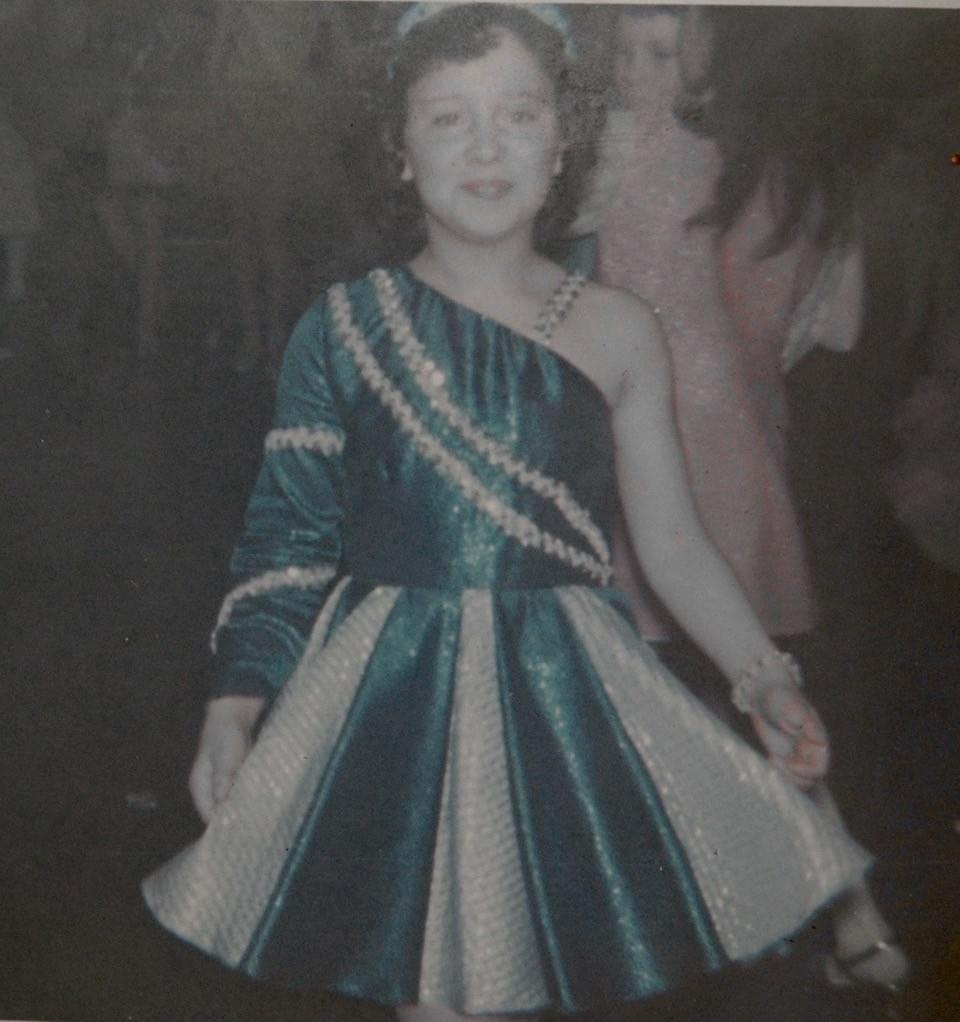
As a child, Carolyn had various partners. Because she was small, she often danced as the girl in all-girl competitions.
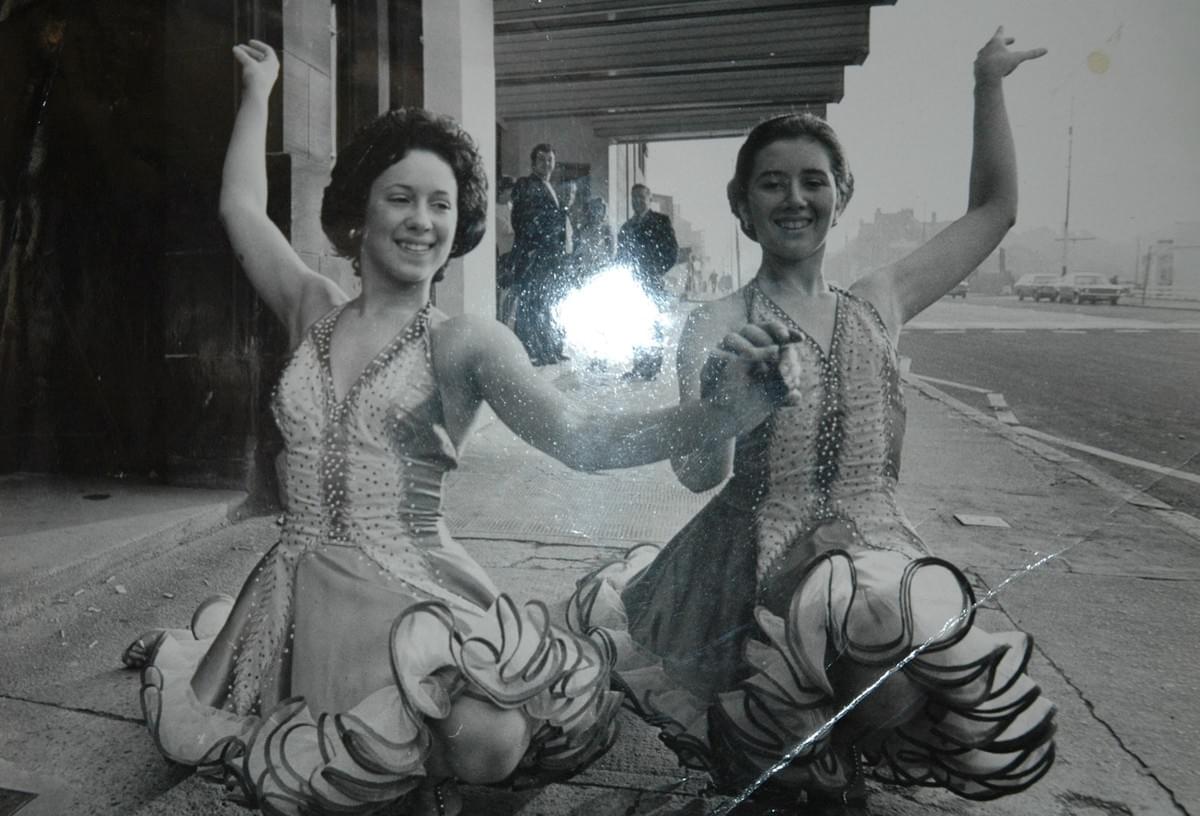
By the time she was twelve, she had already moved very quickly through the medal test system. Donnie Burns’ parents were often her examiners.
Her early competition experience was not straightforward. After school competitions, the big day came when she could finally dance her first major open competition. It lasted, as she remembers, probably only one dance. Her mother grabbed hold of her and told her the competition was finished because she was not ready. Although it seemed drastic at the time, Carolyn later understood the lesson behind it: dancing was not simply a hobby. Either it had to be done properly, or not done at all. That experience became part of the method she would later use as a coach — be truthful and prepare properly.
At that time, Carolyn was also a gymnast and track athlete. She was highly energetic and had to decide which path to follow. In the end, the choice was made for her after a serious gymnastics accident. Doctors believed she might have to give up everything, but for Carolyn it became an opportunity to prove everyone wrong — and she did.
Competitive career
Around the age of fifteen, she began dancing with Henry Chapell from Edinburgh, who was seven years older than her. Because of this, her juvenile and junior career was very short, almost non-existent.
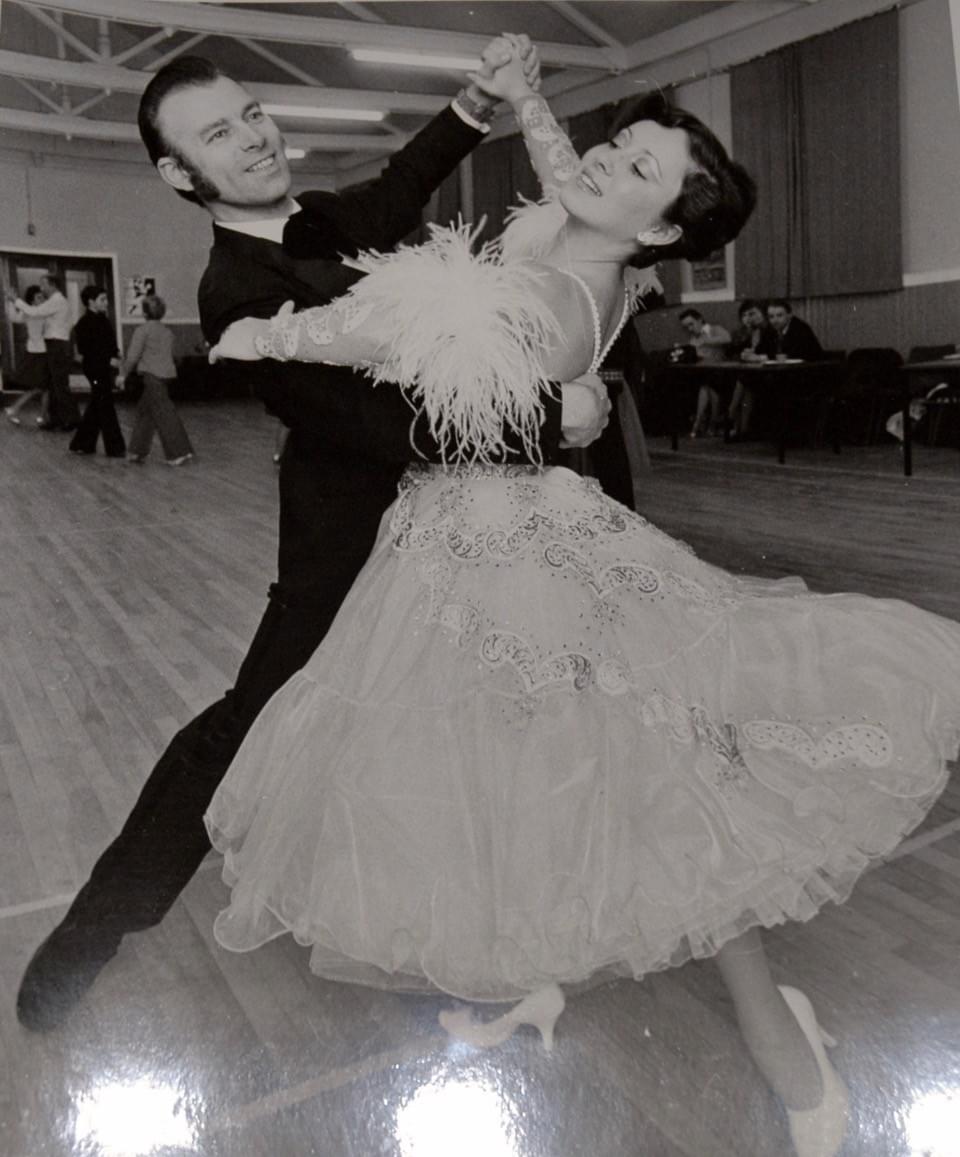
With Henry, Carolyn placed second in the Rising Stars at Blackpool in January 1975. Eventually, Henry decided to give up dancing for his work as a civil servant, a career that later gave him opportunities to grow in the political world.
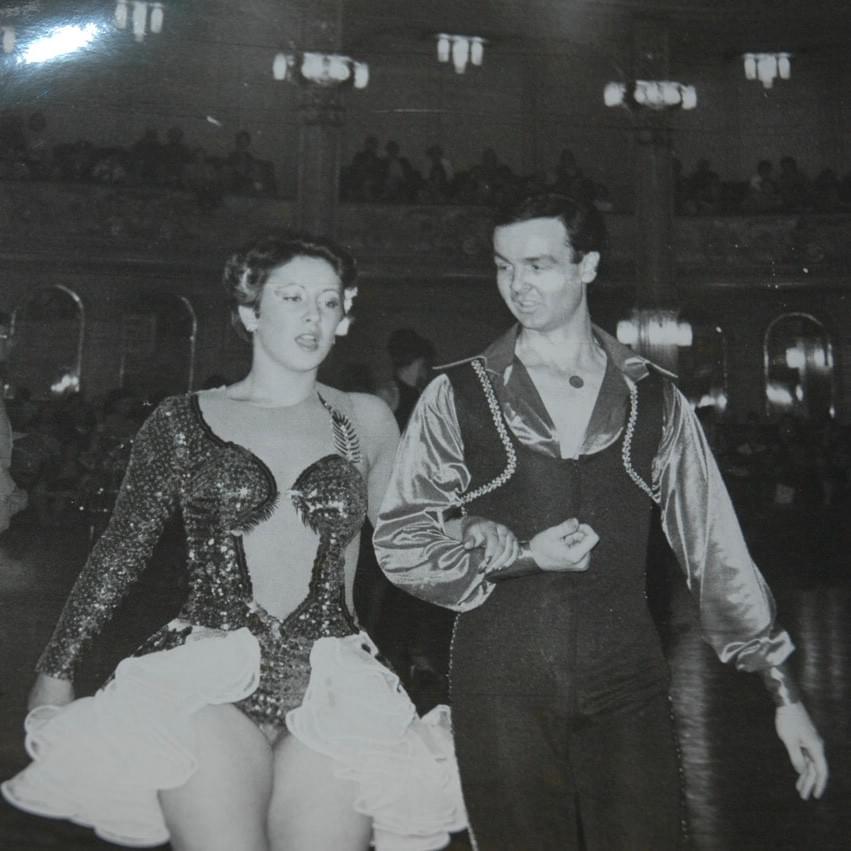
Around 1977, Carolyn started dancing with Kenny McKechnie, who was a complete beginner. She was the only one who saw his talent; her teacher did not. Carolyn went against the opinion of others and chose to dance with him.
With no teachers, because there was no money, Carolyn and Kenny won the British Closed Youth Championship. They were different from everyone else. Carolyn created the choreography herself, stealing ideas from musicals and ballet books.
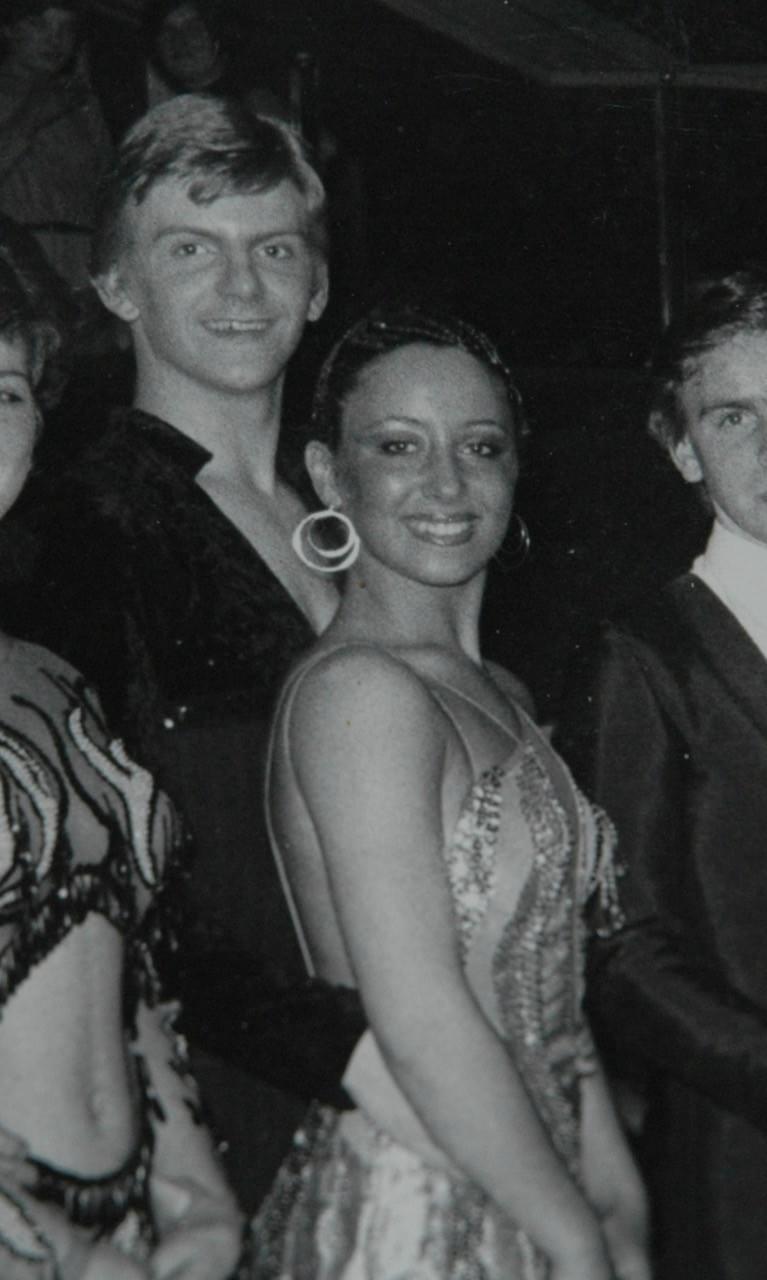
The partnership continued until 1980. They won the British Open Youth Championship, many major competitions and reached the 4th place at the World Amateur Latin Championships in Stuttgart in 1980 when Carolyn was only 19 years old.
The World Amateur Latin Championship was held in Stuttgart, Germany, on 26 April 1980. The finalists were:
- Raymond Myrhengen & Gunn B. Johannesen — Norway
- Donnie Burns & Gaynor Fairweather — Scotland
- Anthony Gauci & Diane Wills-Johnson — Australia
- Kenny McKechnie & Carolyn Smith — Scotland
- Marcus Hilton & Karen Johnstone — England
- Max-Ulrich Busch & Renate Hilgert — Germany
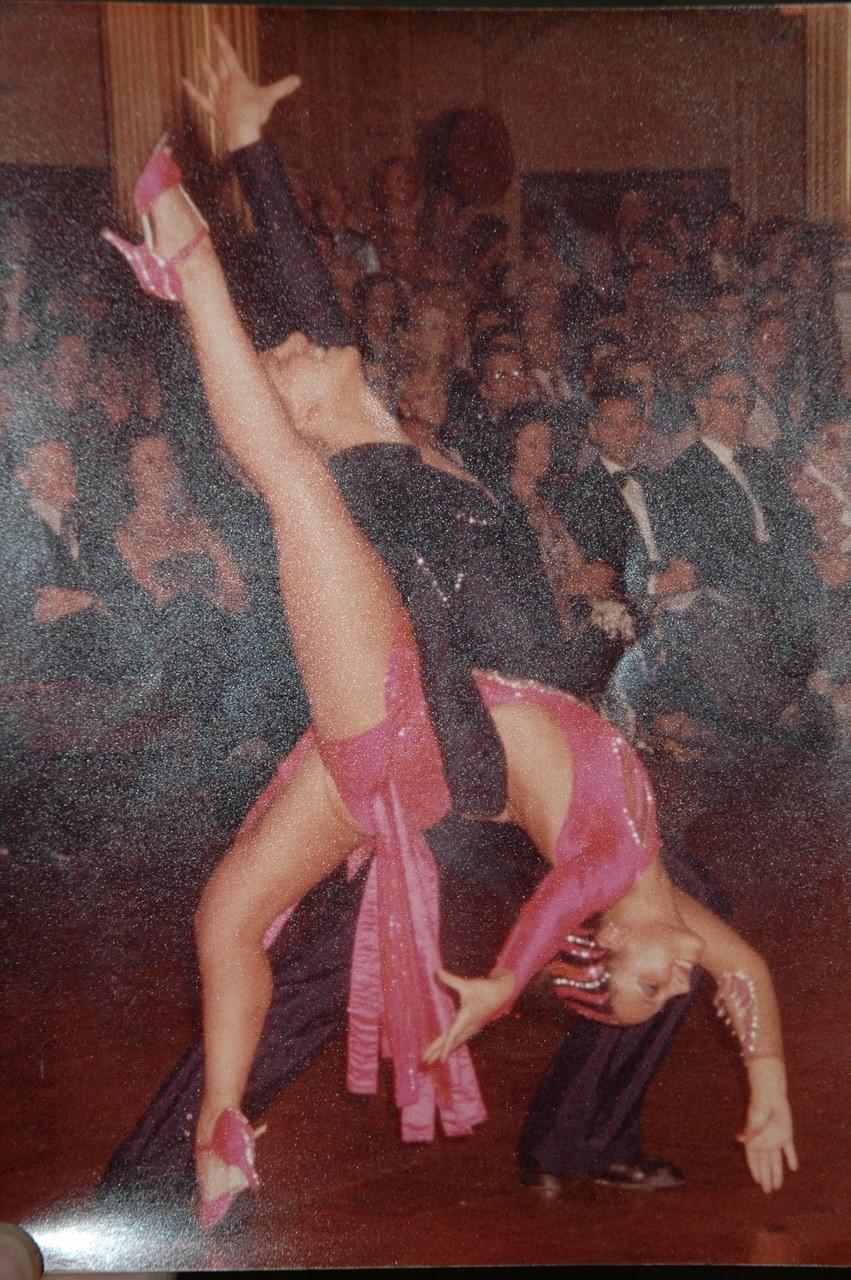
Later that year, Carolyn began dancing with Nicky Cotton. She describes it as the “worst combination ever.” They danced for England, something that did not sit well with her. Even so, they became finalists in every major competition. Their personalities were not compatible and eventually the partnership split.
In 1981, Carolyn began dancing with Russell Monk. He had just split with his partner and wife, Carol MacRaild, who then started dancing with Mark Parkin.
Dancing-wise the partnership with Russell was immediately successful. Russell gave Carolyn insight into a field she had not yet fully explored, the Peter Maxwell method of partnering. This kind of knowledge completed something important in Carolyn’s development.
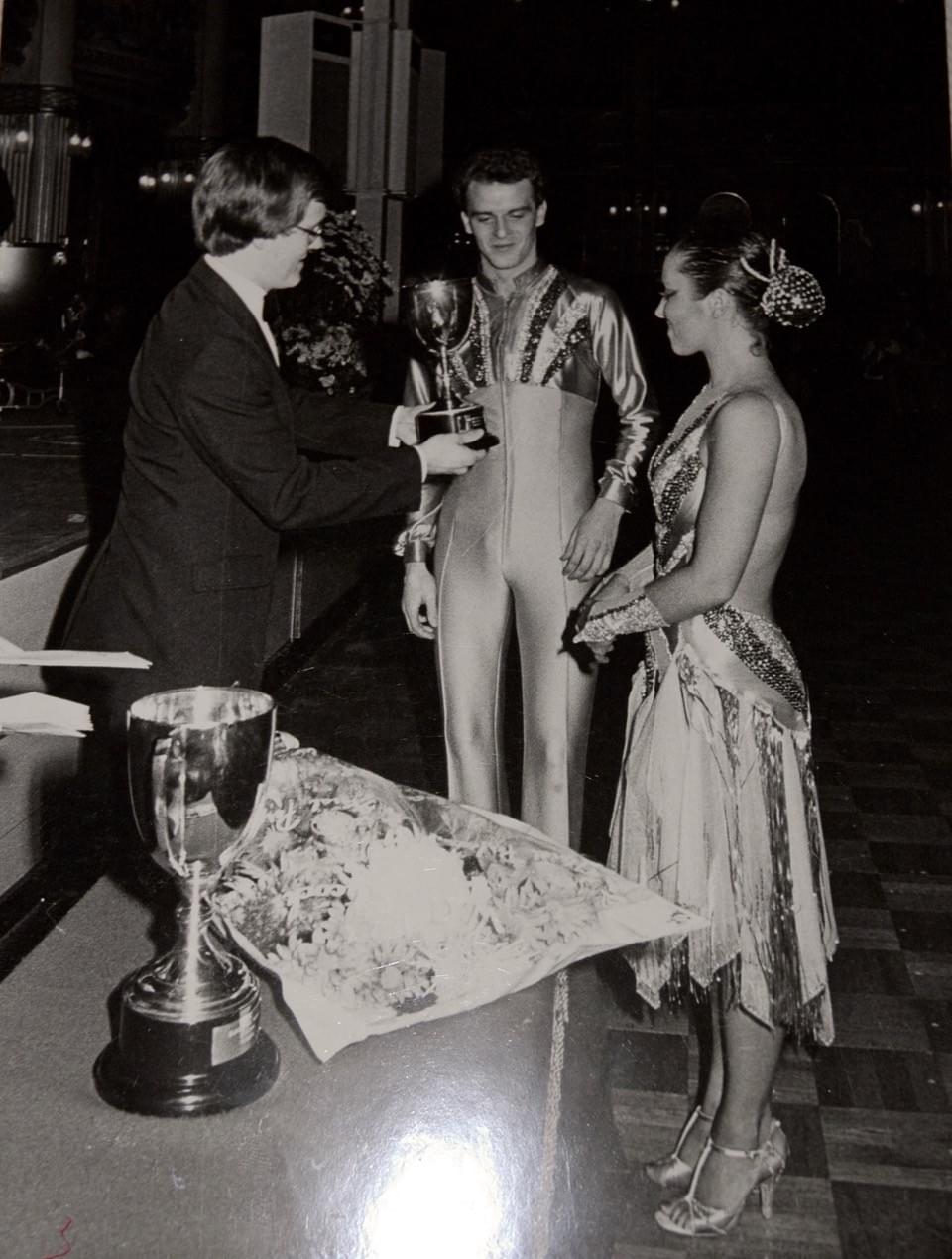
They became finalists at major Amateur Latin events and won the British Closed Championship in 1982, which was their last official competition together before Carolyn moved to Italy.
She married Piero Gai in 1983, an Italian dancer from Torino, after moving to Italy on the 11th of December 1982. The marriage did not last and they separated in 1989; the divorce took a long time under Italian law.
Carolyn’s teachers and mentors
Carolyn moved from Glasgow to London in 1980. Until then she had worked mainly with Harry and Helene Rollins, then Warren and Aileen Brown, with a few lessons from Alan and Hazel Fletcher as birthday and Christmas presents. Famous teacher Lorraine discovered her at Blackpool in 1977 and chose to teach her whenever possible in London. Carolyn became “Lorraine’s girl,” which brought envy from others because Lorraine did not teach everyone — only those she liked and believed had potential.
In 1980, Carolyn also became “Walter Laird’s girl.” Walter Laird became her guru and guide for life. Her first lesson with him was, in her words, a nightmare she would remember forever — but also very funny. She was lucky that her house in Streatham was within walking distance of his house and private studio. She volunteered to clean his studio and office and in return he gave her lessons. From him she learned a great deal about dancing and music.
She later translated his technique book into Italian. The translation was stored on a floppy disk, but it was stolen when she was robbed in Sicily. Even so, Carolyn knew the book inside out. She made sure that in Italy it was applied as 'the' technique book.
Back to London
After separating from Piero Gai, Carolyn returned to London and danced with Felix Castillo from 1989 to 1990, this time as professional. Their first competition was the World Championships in Assen. Carolyn and Felix immediately made the semi-final. They ended the partnership after the British Open, where they were finalists in the Rising Star and semi-finalists in Professional Latin, due to Carolyn's knee problems.
Living in Italy
Returning back to Italy, Carolyn built an excellent career by herself, found her true love and changed the Latin dance scene in the country. She became one of the key figures behind the development of Italian Latin dancing. She was the first to make World Latin champions and 10 Dance champions, working with many of top couples.
Since 1997, Carolyn has been married to Ernestino “Tino” Michielotto, a fellow dancer and choreographer. They were dancing demonstrations and shows together, including Nagoya 1995, Cervia 1996 and later basic and teaching demonstrations.
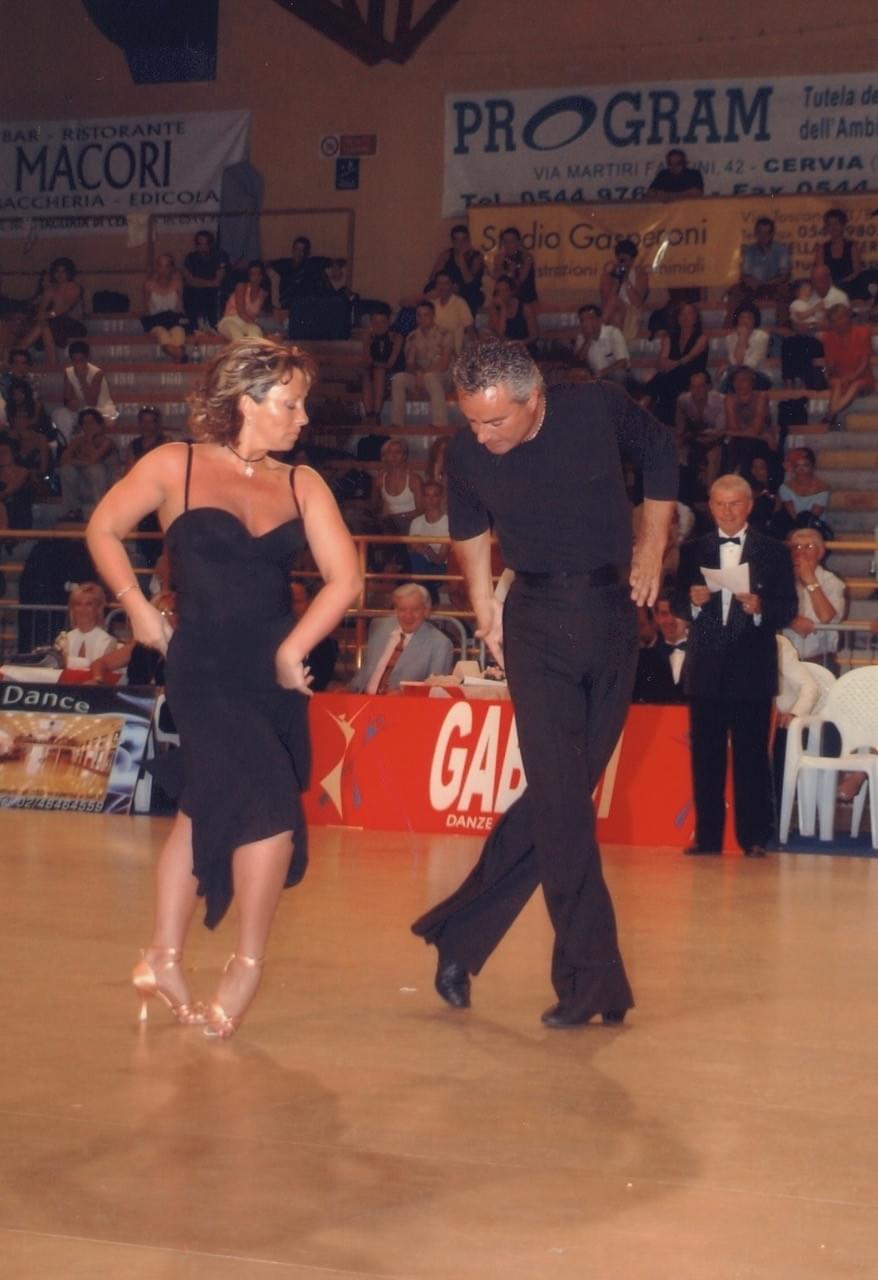
They did two shows choreographed by Espen Salberg, the last one at the World 10 Dance Championships in Verona, Italy.
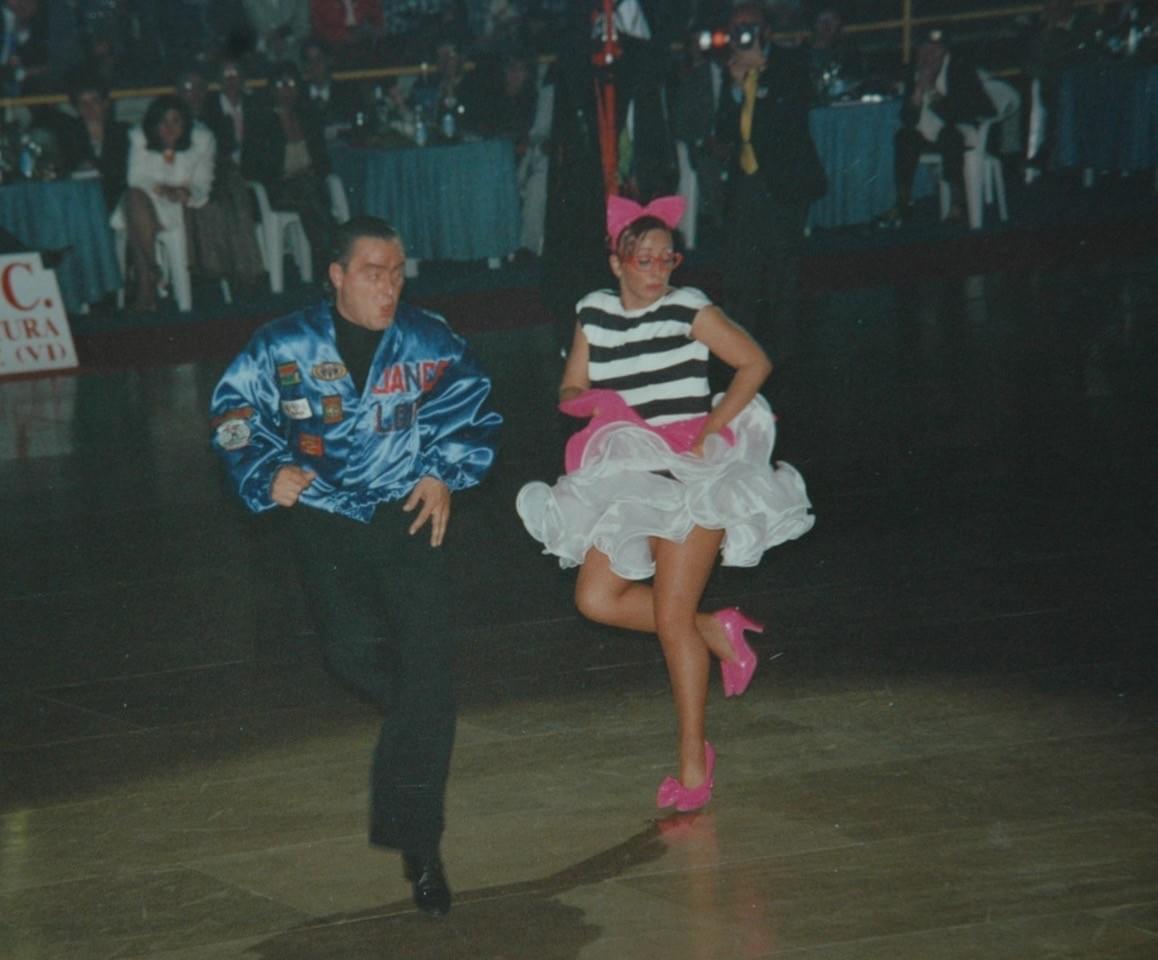
Carolyn and Tino live in Vigonza, in the province of Padua, in Veneto.
Being a coach
Carolyn Smith is considered one of the world’s leading coaches. Her coaching career grew from her own deep technical knowledge, competitive experience and strong personal school of thought shaped over decades of hard work. Her teaching methods were shaped early by the lessons of her childhood: preparation, truthfulness and the belief that dance must be done properly.
She brought to Italy the knowledge she had received from Harry and Helen Rollins, Warren and Ailean Brown, Lorraine and above all Walter Laird. Her relationship with Laird had a profound influence on her understanding of technique and music of Latin dancing. She carried this knowledge into her teaching and insisted that the technique book be understood and applied seriously.
Carolyn’s coaching helped change the direction of Latin dancing in Italy and many other countries. She worked with the most successful couples and contributed to the development of dancers who would later become world-class competitors and champions.
In 1998 Carolyn and Tino were also involved in the organisation of unique dance workshop in Positano, together with Massimo Giorgianni and Alessia Manfredini. These workshop became well remembered in global dance community as a meeting point for high-level training with top world experts.
Making dance costumes
Alongside coaching, Carolyn was also a dressmaker. She started when she was fourteen. Her mother made the dresses and Carolyn decorated them. She loved designing and creating. One of her most memorable early decorations was a ballroom dress for Christie McDonald, Brian McDonald’s wife. After that, she received a great deal of work and eventually began making the dresses herself.
Her clientele included many Japanese dancers, as well as Donnie Burns’ shirts, Nadia Eftedal, Tone Nyhagen and naturally her own dresses. She stopped making dresses in 2006 because it became impossible to manage teaching, travelling and dressmaking at the same time. She remembers the last Italian Championship before she stopped, when she made 150 outfits entirely by herself.
In 2011, she founded the Carolyn Smith Dance Academy in Rome.
Public person today
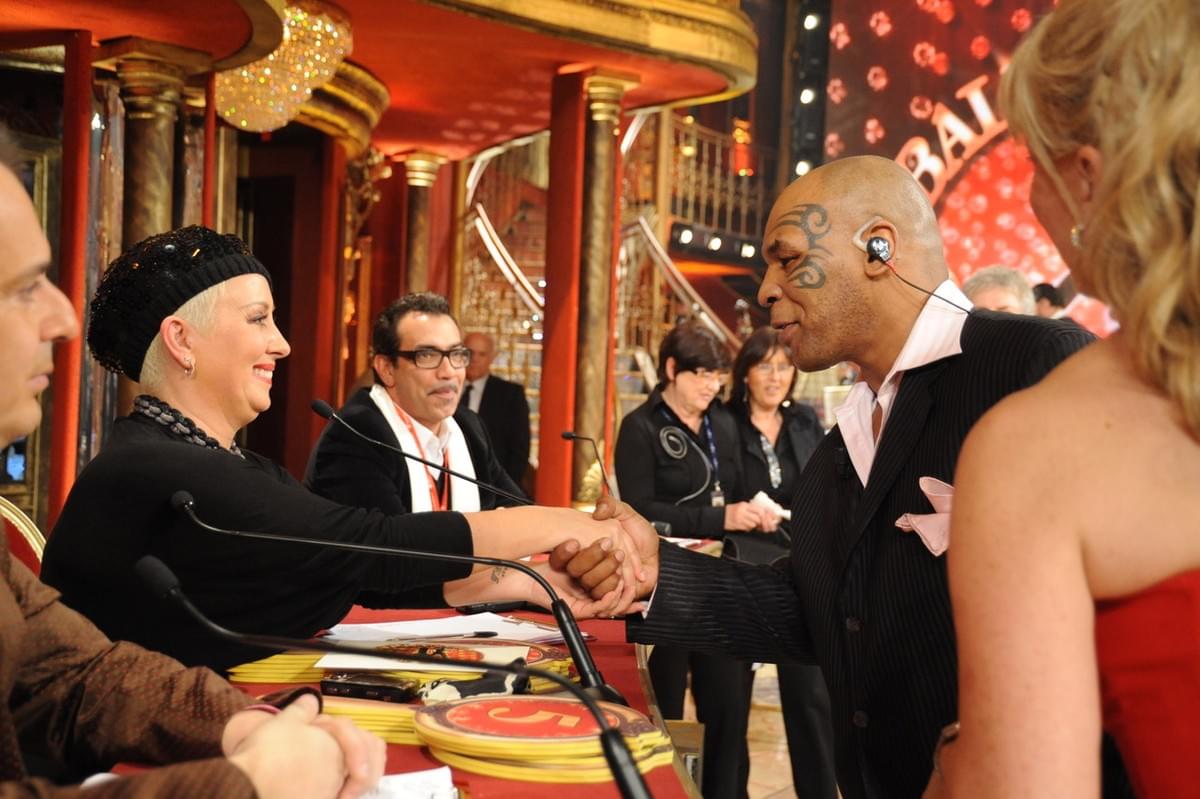
Carolyn became widely known to the Italian public in 2007, when she joined Rai 1’s Ballando con le Stelle as a judge. She later became president and head judge of the panel. Her direct, technically informed and charismatic judging style made her one of the most recognisable dance personalities on Italian television.
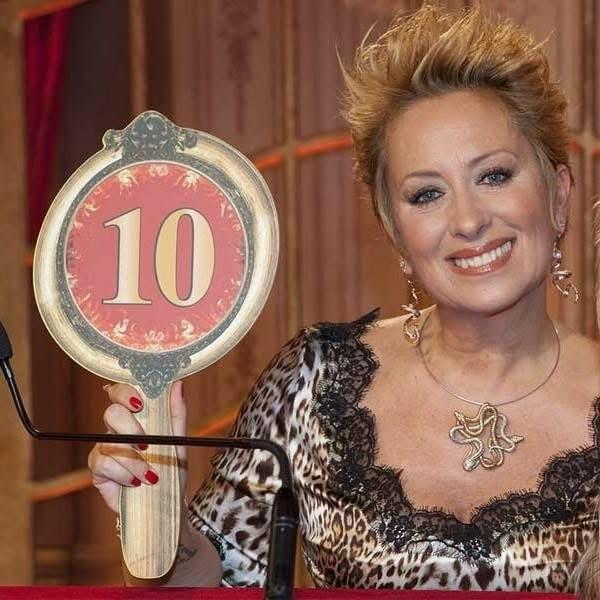
On television, she brought together expertise, discipline, humour, courage and strong communication skills. She became known not only as a judge, but as a public figure who speaks with authority because she has lived the dance world from the inside — as a competitor, coach, choreographer, adjudicator and mentor.
Carolyn also developed several dance-based projects, including Sensual Dance Fit and I Am a Woman First. Through these projects, she uses dance not only as technique and performance, but also as a tool for empowerment, confidence, femininity and emotional resilience.
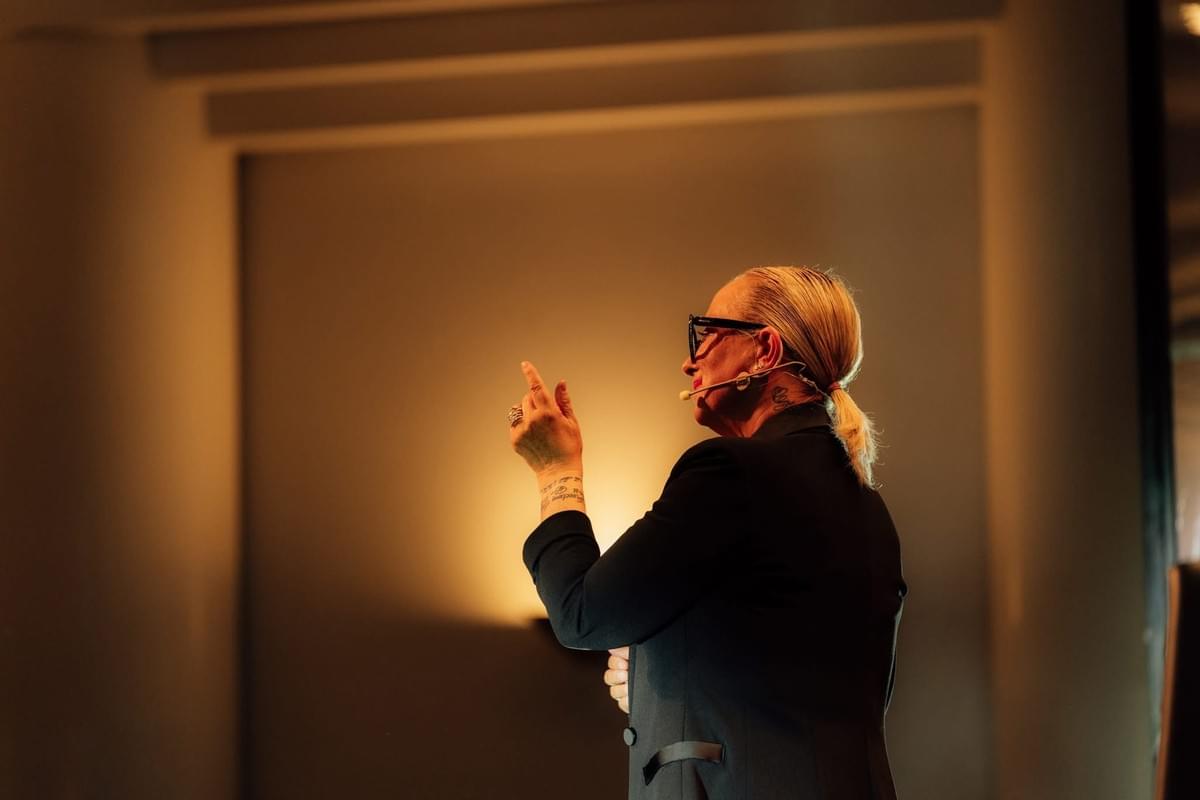
Today, Carolyn Smith is recognised as a figure who bridges competitive dancesport, teaching, choreography, adjudication, television and social impact. Her career of more than forty years reflects technical knowledge, performance experience, creativity, resilience and a lifelong belief in the transformative power of dance.
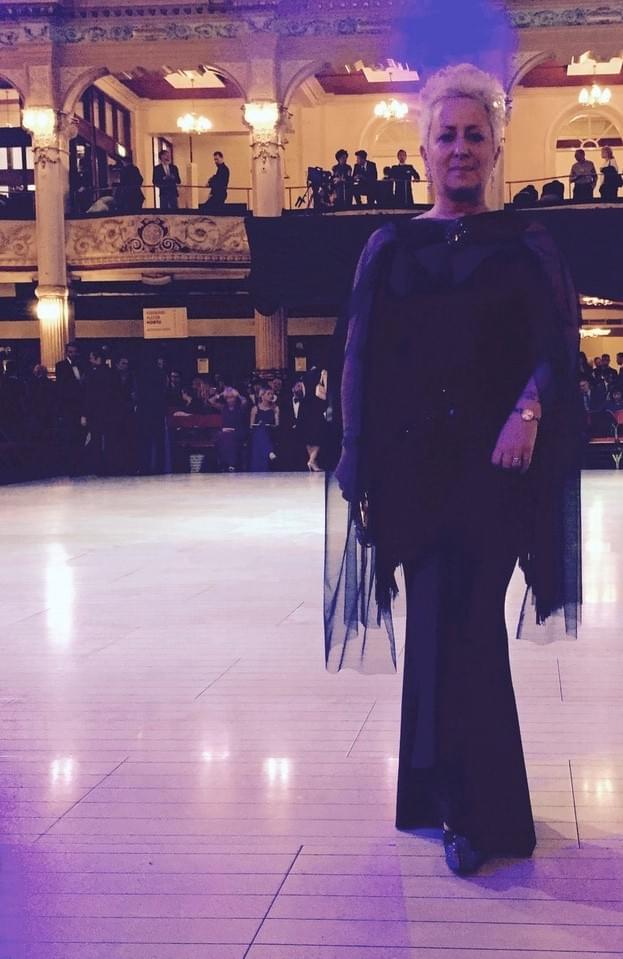
She has proved, again and again, that mistakes can become opportunities, pain can become purpose and dance can become much more than performance. For Carolyn Smith, dance has always been a way of living.
Battling the cancer
Since 2015, Carolyn Smith has been courageously battling breast cancer and has faced several recurrences over the years. She has chosen to speak openly about her treatment journey on social media and television, becoming a point of reference and a symbol of strength and resilience for thousands of women.
For Carolyn, illness has not been only a private battle. It has become part of her public mission. She has used her experience to support others, especially women and to show that even when life takes something away, it is still possible to stand up again, rebuild and transform pain into purpose.
In 2018, she published her first book, Ho ballato con uno sconosciuto — I Danced With a Stranger. In the book, she speaks with irony and courage about how to get back on one’s feet when everything has been taken away and how to turn difficulty into an opportunity for self-development and helping others.
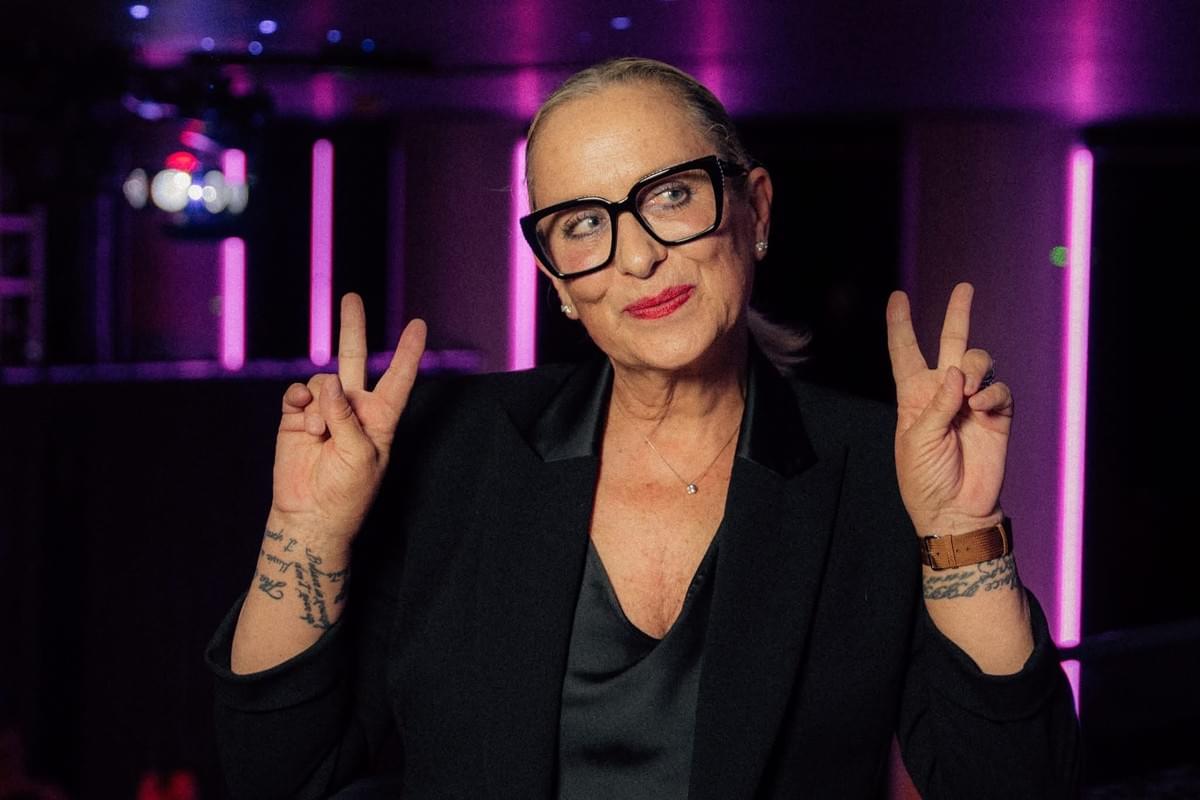
She also founded the Dance 4 Oncology project, showing how dance can become a therapeutic tool. The project reflects Carolyn’s belief that movement, music and dance can support people emotionally, physically and psychologically during difficult moments of life.
Her motto, which she also has as a tattoo, is:"Believe in yourself and don’t give up."
Personal note
My first memory of Carolyn goes back to 1982, when we competed at the same invitational international competition in Austria. As we are nearly the same age, I was impressed by her skills and incredible energy.
Later on, we met each other as young teachers at various international competitions, both coaching our first generation of students.
In 1996, we invited Carolyn to adjudicate one of our first international competitions, Urška Open, in Ljubljana. Alongside many other wonderful couples from Italy, she brought Nino Langella with her — a tiny little boy from the south of Italy who mesmerised the entire ballroom with his pirouettes and splits, received standing ovations, and three decades later became one of the most beautiful Professional Latin champions.
Another impressive dancer from Carolyn and Tino’s nest is Stefano Di Filippo, who made his first Youth World Latin final in Ljubljana in 1997. He later became World Amateur Latin Champion, World Professional Latin Champion, and a two-time British Open Professional Latin Champion.
Both Stefano and Nino danced with various partners during their long and incredibly successful careers. Carolyn started teaching Stefano when he was 11 years old and Nino when he was 8.
What is perhaps the most beautiful part of this story is that Carolyn’s students and mine became true friends over the years and today they are teaching and judging together all around the world.
And then came the Positano workshop in 1998. To this day, this event still holds a very special place in my heart. Carolyn, Tino, Massimo and Alessia managed to bring together the best of the best — Bill and Bobbie Irvine MBE, Peter Eggleton, Peter Maxwell, Peter Townsend, Ruud Vermeij, Lasse Ødegaard and Lalla and Adalberto Dell’Orto as guests of honour and lecture presenters. I still remember how nervous I felt, lecturing in the company of such greats. I suppose Carolyn and Tino believed in me before I believed in myself and for that I will remain forever grateful to them both.
For the past decade, we have met very seldom, but I hope the future will bring us closer to each other again.
Enjoy beautiful podcast with Carolyn on Spotify - Barbara's Dance Room.